

Smart Building
Smart Building: Optimize Existing Buildings With AI
A smart building connects technical systems and uses operational data to monitor and optimize building operations intelligently. Existing buildings can also become smart buildings, regardless of manufacturer and without major construction work, by bringing together data from the existing building systems in one place and using it optimally with the help of artificial intelligence. Open interfaces (APIs) also make this data available to other systems, such as in-house AI solutions.
Building Intelligence: Why Many Buildings Aren't Smart Despite Their Technology
Many commercial properties already have building automation, sensors, and technical systems from different manufacturers. But that alone doesn't make them smart buildings: the systems are often not connected to each other, and the potential of the data remains untapped.

Lack of Compatibility:
Systems from different manufacturers use their own protocols and platforms. Without suitable interfaces, their data cannot easily be used together.
No Central Data Foundation:
Operational data isn't available centrally and can't be analyzed across building systems or across the portfolio.
Lack of Data Sovereignty:
Proprietary systems can make it harder to access building data and reuse it.
No Interfaces for AI Applications:
In-house AI applications have no access to the building's data.
Untapped Optimization Potential:
Inefficiencies and malfunctions go undetected because the data isn't viewed in context.
What Is a Smart Building?
A smart building is a building whose technical systems are digitally connected and whose operation is controlled based on data. This includes not only heating, ventilation, and cooling but also lighting, access control, room booking, and maintenance. Sensors, IoT devices, and building services equipment continuously deliver data, which software analyzes to control operations based on demand. Conventional building automation often controls individual systems according to fixed settings. A smart building goes further: it links the data from all systems, enables analyses across building systems, and thus lays the foundation for continuously optimized operation, increasingly supported by artificial intelligence that recognizes correlations and analyzes anomalies.
Benefits of a Smart Building in Day-to-Day Operations

Connectivity
The cloud platform connects all of your building's building services and improves efficiency.

Central Data Foundation
Smart buildings run on data. Operational data and KPIs from all buildings come together in one place.

Autonomous Optimization
Autonomous, self-learning optimization keeps the smart building in its optimal operating state at all times.

AI Integration
With the aedifion MCP, building data can be used directly in in-house AI solutions such as ChatGPT, Claude, or Langdock.

Scalability
New properties are integrated on the same principle as the portfolio grows.

Savings
With the help of our AI, your smart building can achieve savings in operating costs, CO₂ emissions, and energy consumption on its own.
SmartScore
Accredited Solution
With our Optimization Bundle, we pave your way to SmartScore certification. By using the cloud platform, you can achieve up to 35.5 points on the way to building certification with us as an accredited WiredScore solution provider.

How to Turn Your Existing Building Into a Smart Building
No smart building without the cloud: aedifion's smart building platform connects existing building systems to a cloud platform regardless of manufacturer, creating a central data foundation. This makes operational data usable for analyses, optimization, and other digital applications.
01
Capture Operational Data
aedifion.io connects all building systems to the cloud regardless of manufacturer, via an edge device using plug-and-play or with retrofit packages.
02
Structure Data in a Digital Twin
The data points are standardized and represent the building as a digital twin. This is the basis for analyses, KPIs, and reporting.
03
Analyze and Control With AI
AI-based analyses detect faults and deviations early. This means costly inefficiencies are identified and fixed faster, before they cause unnecessary operating costs for months. Self-learning optimization controls the systems based on demand.

Talk to Your Building
With the aedifion AI Assistant, operators and asset managers query their buildings in natural language. It links live data, analyses, and documents into answers with sources. With the aedifion MCP (Model Context Protocol), building data is also available directly in the AI your company already uses, such as ChatGPT, Claude, Copilot or Langdock.
The Real Estate World Is Getting Smart
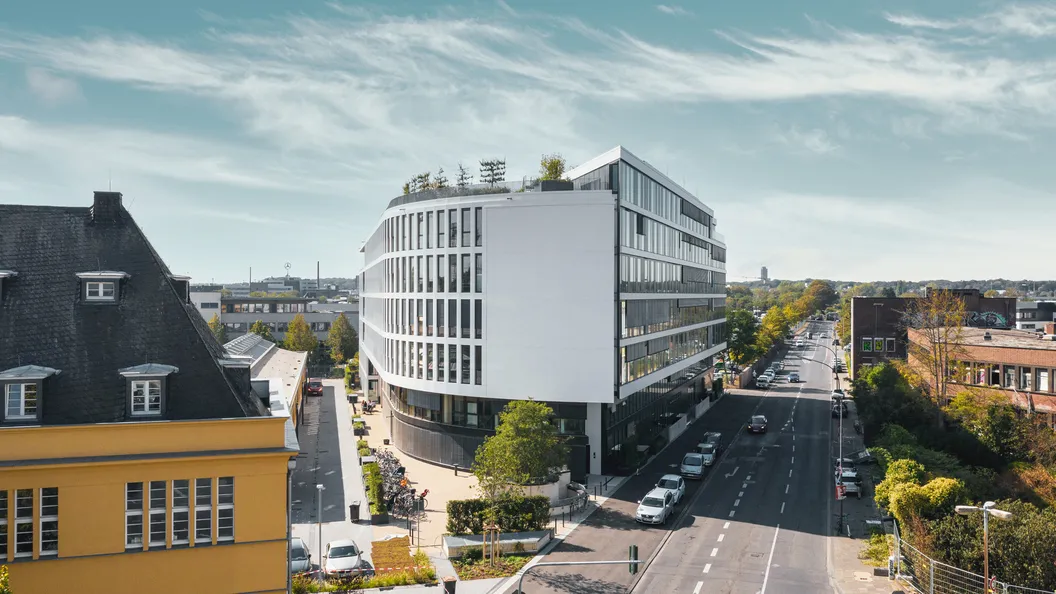
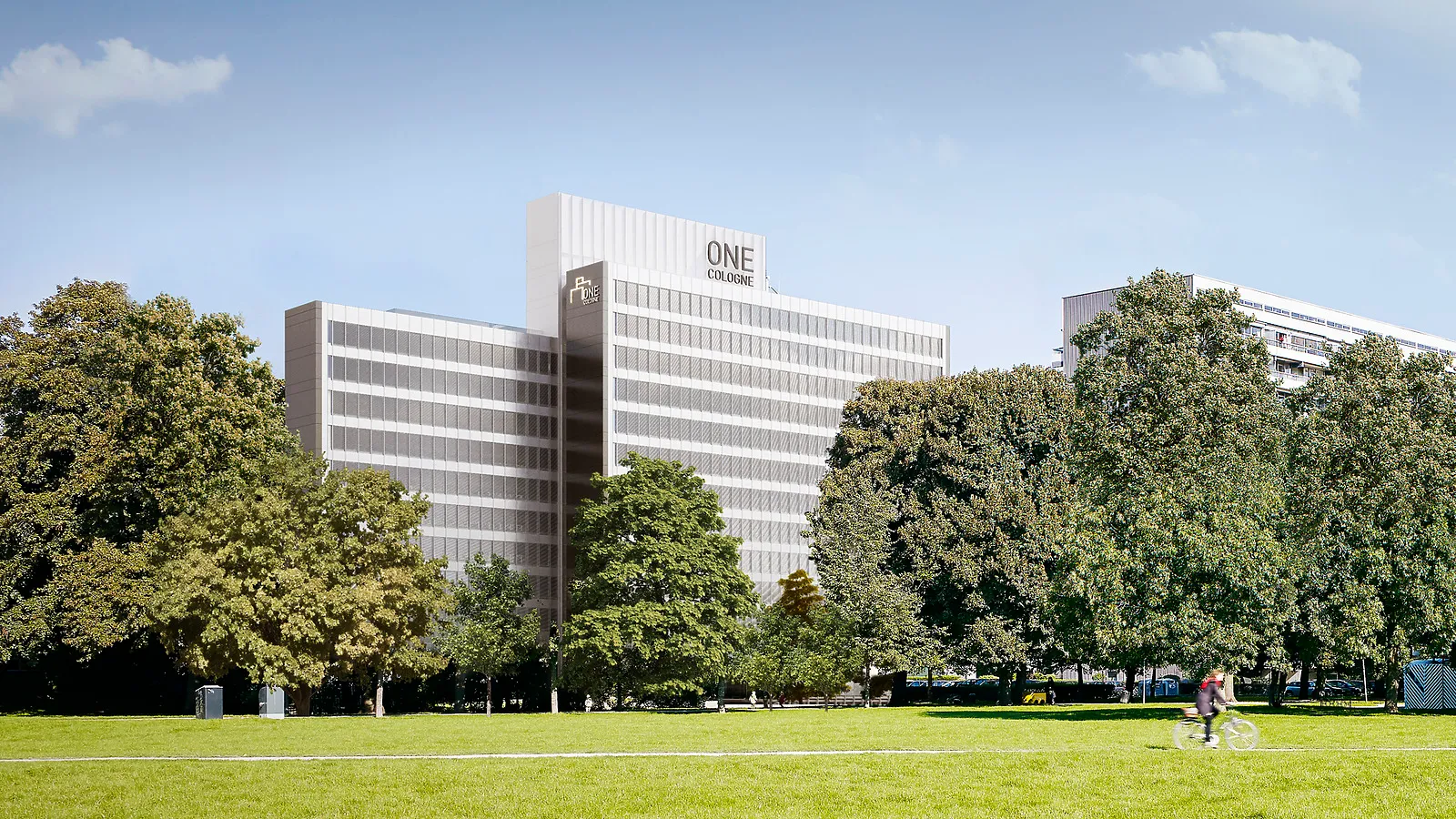
The aedifion cloud platform turns every building into a smart building and allows more than 60 different use cases to be realized. It is already successfully in use in over 400 projects and enables intelligent building operation.

Letting Numbers Count

Who Benefits From Manufacturer-Independent Building Operations and AI Integration
For owners, operators, and digitalization and innovation managers who
- operate buildings with systems from different manufacturers,
- want to reduce operating costs with digital tools,
- want to digitalize their portfolio without replacing systems,
- want to retain sovereignty over their building data,
- want to integrate building data into their own AI strategy.
Frequently Asked Questions
Intelligent buildings, also known as smart buildings, are buildings whose building automation, sensors, and systems are connected via open interfaces and whose operation is controlled based on this data. The ability to bring together and analyze data from all building systems is called building intelligence. Existing buildings can also become intelligent buildings.
Smart building technologies are used, for example, in office buildings, hotels, shopping centers, and mixed-use commercial properties. A building becomes smart when its digital systems work together: heating, ventilation, and cooling as well as lighting, access control, or room booking. Practical applications include office spaces that are heated and lit according to actual occupancy, automatic fault detection in building systems, central energy KPIs for the entire portfolio, or AI assistants that make building data accessible in natural language.
In an existing building, smart operation becomes possible by, for example, connecting the existing building automation to a cloud platform regardless of manufacturer. Missing measuring points can be added with retrofittable IoT sensors. The systems don't need to be replaced. The data from all building systems then comes together in a central data foundation and forms the basis for AI-supported analysis and optimization.
AI analyzes operational data from building automation, recognizes patterns and anomalies, and supports demand-based control of heating, ventilation, and cooling. For example, it can detect faults before systems fail. AI assistants can link project knowledge, live data, and analyses precisely and in real time. With the aedifion MCP (Model Context Protocol), building data can also be integrated directly into the AI a company already uses, such as ChatGPT, Claude, or Langdock.
Your Path to a Smart Building
Every building has different requirements. In a personal conversation, we use example projects to show you how your existing buildings can be digitalized regardless of manufacturer and how to lay the foundation for intelligent operational optimization.
Buildings Simply Made Better
Get in Touch With US!
In a one-on-one meeting, we will clarify your specific requirements and demonstrate how our AI-based cloud solutions and service packages can benefit you.